Why reported Scope 2 emissions don’t always show the whole truth

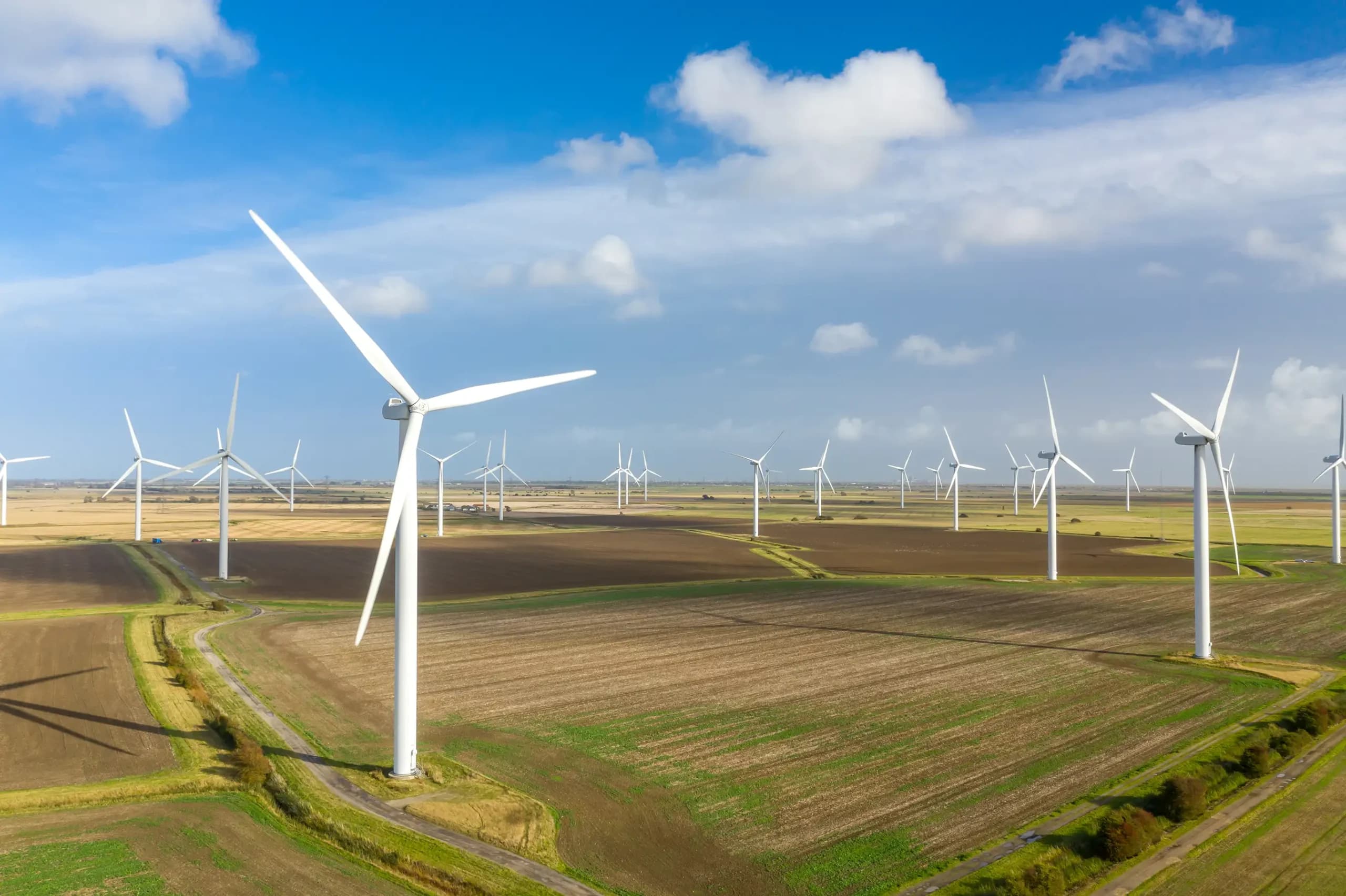
Many businesses pay for ‘green’ electricity and report low to zero Scope 2 emissions in their sustainability disclosures. On paper, it can look like the power sector problem is solved. But the reality is more complicated.
Global electricity demand continues to rise, fossil fuel generation is still needed to meet peak demand, and renewable energy isn’t always available exactly when and where it’s consumed.
Why Scope 2 emission reporting can be misleading
The gap between reported emissions and actual electricity usage is largely a result of how corporate carbon accounting has evolved. Current market-based reporting allows companies to lower their Scope 2 emissions by purchasing renewable energy certificates such as Renewable Energy Guarantees of Origin (REGOs) in Europe. These certificates show that renewable electricity was generated somewhere, but not necessarily that it matched your business’s consumption in terms of time or location.
Because of this, entire sectors can report minimal Scope 2 emissions on paper while fossil fuel generation still runs to keep the lights on. This isn’t because businesses are acting badly – most are working within the rules as they stand. However, those rules have allowed certificates to create a credibility gap; reported ‘100% renewable’ consumption often doesn’t reflect what’s physically happening on the grid.
What’s changing in Scope 2 emission reporting?
Proposed updates to the Greenhouse Gas (GHG) Protocol’s Scope 2 guidance aim to address this issue. Key changes include:
- Hourly matching: Scope 2 emissions reporting will reflect electricity actually used at the time it’s consumed.
- Locational relevance: Claims must reflect the grid where electricity is being used.
- Deliverability requirements: Green electricity claims must consider whether low-carbon power could realistically meet demand.
Put simply, it will no longer be enough to buy certificates in one place and claim them everywhere. Businesses will need to demonstrate that the electricity they consume aligns with real-world low-carbon availability.
Why changes to Scope 2 emission reporting matters for your business
This isn’t just an accounting technicality. For businesses of all sizes, transparency matters. When reporting aligns more closely with reality:
- You reduce reputational risk and avoid accusations of greenwashing.
- You make better-informed purchasing and investment decisions.
- You help support the transition to a genuinely low-carbon power system.
At Utilita, we’ve taken a transparent approach to understanding the carbon behind electricity use. Our live carbon dashboard allows customers to see emissions in real time for their electricity consumption. We’re also developing a dedicated carbon dashboard for our business energy customers – providing location-specific emissions data to help businesses better understand the impact of their electricity use.

*Live carbon data shown in the image above was accurate as of 24/02/2026. As Utilita Energy’s Live Carbon Dashboard updates in real time, current figures may differ from those displayed in this screenshot.
Bridging the gap in Scope 2 reporting
This is an industry-wide challenge, not a failing of individual businesses. Many organisations already go further than the rules require, publishing both market-based and location-based Scope 2 emissions data.
When the two are compared, the difference can be stark. In some cases, location-based emissions are thousands of tonnes higher than market-based figures suggest. This highlights the scale of the credibility challenge – and why transparent Scope 2 emissions reporting is essential for maintaining trust.
The upcoming Scope 2 updates offer a rare opportunity to improve a system that has allowed certificates, such as Renewable Energy Guarantees of Origin (REGOs), to obscure reality. Businesses that embrace transparency now can build confidence with investors, employees, and customers, while aligning reporting with how modern power systems actually operate.
What’s the takeaway?
The era of claiming ‘100% renewable’ without scrutiny is coming to an end. The gap between corporate reporting and real-world emissions has persisted for too long, largely due to how certificates like Renewable Energy Guarantees of Origin have been used. This isn’t about blame. It’s about recognising a system-level issue and giving businesses better tools to report – and act – credibly.
By adopting the updated Scope 2 guidance, businesses can ensure their sustainability claims reflect reality, strengthen trust, and support the wider transition to low-carbon electricity. At Utilita, our live carbon dashboard – alongside our upcoming B2B dashboard – makes it easier to see the emissions behind your consumption, helping you act with confidence and clarity in a rapidly evolving energy landscape.
Would you like to take part in a trial of our Live Carbon Dashboard? Just fill out our contact form and we’ll be in touch in no time.